
We’re pleased to report that the California Public Utilities Commission (CPUC) has approved the final plan for the LS Power energy facility – and it will NOT be in Coyote Valley! After hundreds of community members called for the facility to be constructed on PG&E’s existing Metcalf substation, rather than on the orchard in Coyote Valley where it was first proposed, PG&E decided to work with LS Power to make this happen.
Thanks to everyone who emailed the CPUC or who came to public meetings and spoke on this issue. Your voice makes a difference!
The Threat: An Energy Facility in Coyote Valley
In 2024, we learned that a company called LS Power was planning a new energy transmission line to connect PG&E’s Metcalf substation, just north of Coyote Valley, to another substation in downtown San Jose. Since the transmission line would terminate at the Metcalf substation, putting the energy terminal right on the substation was the simplest, most obvious, and least environmentally damaging location. At first, however, PG&E refused to allow the terminal to be built on their substation property – with the result that LS Power instead proposed to build it on a 14-acre orchard in Coyote Valley over a mile away from the substation. LS Power would have had to bulldoze the trees, dig a trench along nearly a mile of the Coyote Creek Trail, and bore a tunnel underneath Coyote Creek for the additional transmission line that would have been needed to connect the terminal to the Metcalf substation.
We called on our supporters to attend the CPUC public meeting and to send emails asking them to require PG&E to allow the terminal to be built at the Metcalf substation. The CPUC received over 400 emails from our supporters! Soon after, the CPUC’s Environmental Impact Report for the project concluded that putting the terminal at the Metcalf substation, rather than in Coyote Valley, would be the environmentally superior alternative – leading PG&E to decide to work with LS Power to place the terminal at Metcalf.
PG&E and LS Power’s Agreement Protects Wildlife in Coyote Valley
The Coyote Valley orchard where LS Power could have built the terminal is right next to Coyote Creek, which is the backbone of the wildlife corridor through Coyote Valley. Animals that depend on the creek corridor to be able to migrate from the Santa Cruz Mountains to the Diablo Range would have been subjected to noise, nighttime lighting, human activity, and other disturbances from the construction and operation of the energy facility. In addition, the 1.2-mile-long additional transmission line that would have been needed in order to connect the terminal to the Metcalf substation would have dug up part of the Coyote Creek Trail and bored a tunnel underneath Coyote Creek. Putting the terminal at the Metcalf substation saves the time and expense of constructing an additional transmission line more than a mile down to Coyote Valley and then back again.
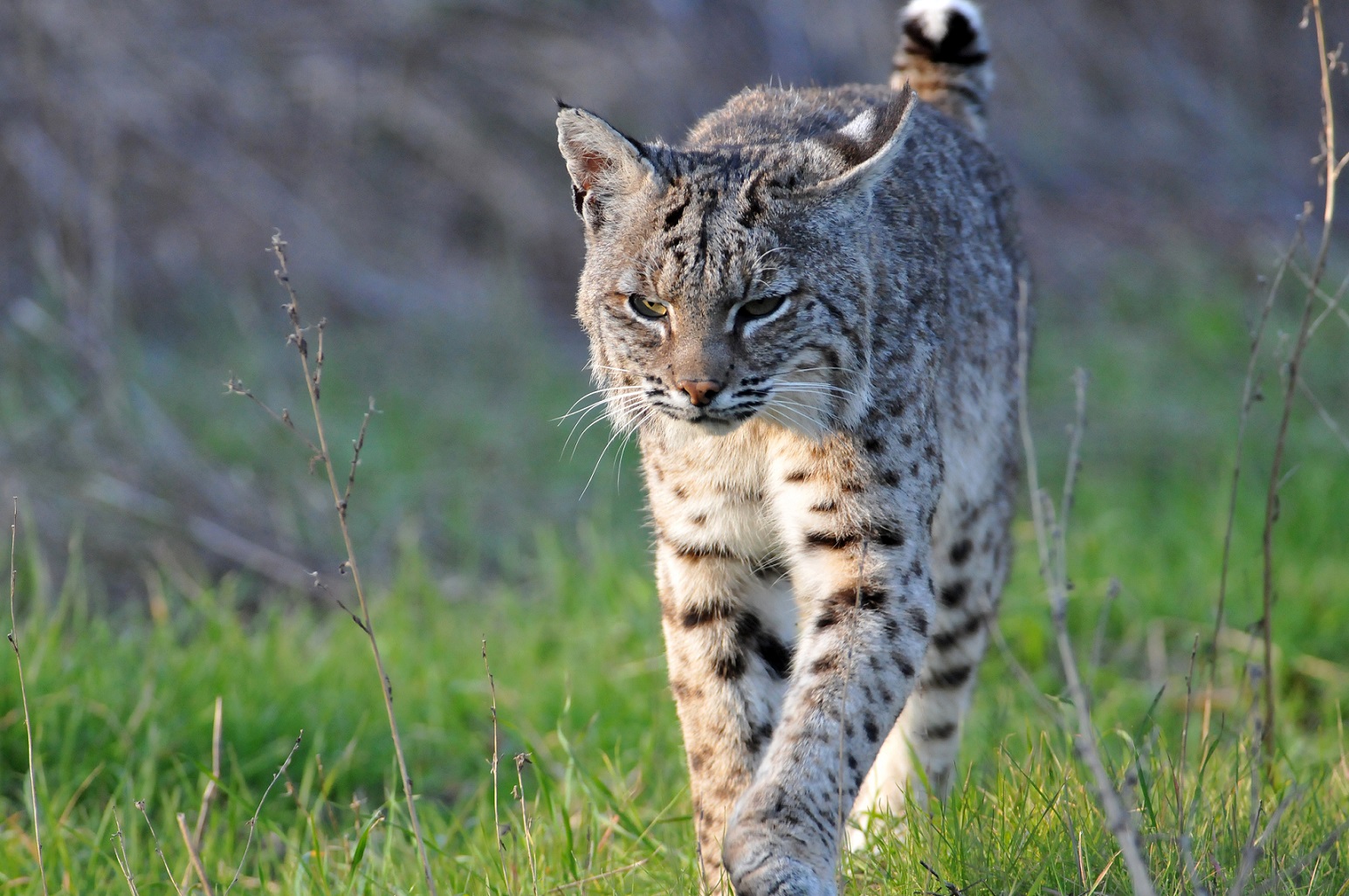
Furthermore, Monterey Road, where this orchard site is located, is already a wildlife roadkill hotspot. The highest incidence of bobcats, badgers, coyotes, deer and other animals being killed by cars in Coyote Valley is very close to this location, proving that animals are desperately trying to get across Monterey Road to the safety of Coyote Creek on the other side. Putting a 6-acre energy facility in the path of these animals would have made this problem worse.
We applaud PG&E and LS Power for working to find a location for the energy terminal that does not negatively impact Coyote Valley’s wildlife.