-

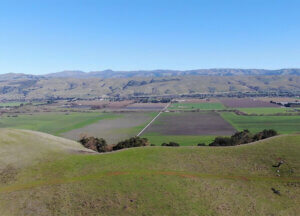
Almaden Quicksilver County Park. Photo credit: Oleg Levitsky.
Green Foothills was founded by people who were alarmed by the rapid destruction of nature that occurred in the Bay Area in the 1960s. At the time, there were plans to fill in much of the Bay, run freeways over mountain ranges, and destroy natural areas along the coast to accommodate auto-centric sprawl. While many accepted these plans as inevitable, Green Foothills’ founders recognized nature’s role in our well-being and took responsibility for advocating for sustainable land use.
That’s why they focused primarily on influencing planning decisions that would affect the future of open space and farmland. In our first newsletter in 1962, they wrote, “Green Footnotes … will keep you informed…and reaffirm in many different ways our basic goal…the wisest use of the land.”
The core of our mission today remains the same. Green Foothills’ advocacy for land conservation and responsible growth has had a lasting impact on our region, with more than 200,000 acres now permanently protected as a direct result of our advocacy. But our work now has additional urgency due to climate change, which was not on most people’s radar 60 years ago. If we are to stop climate change, or at least keep it at manageable levels, land use decisions will be part of the solution.
Land Conservation is Critical for a Healthy Climate
To understand why land conservation is an important part of solving the climate crisis, it’s helpful to understand why the climate is changing. The basic explanation is simple: The Earth’s atmosphere is like a blanket that surrounds our planet. When we burn fossil fuels such as oil, coal, and gas, we add more and more carbon dioxide into the atmosphere, which thickens the blanket. The thicker the blanket gets, the more heat is trapped underneath. This “blanket effect” leads to warming, which disrupts the climate. As the air, land, and oceans absorb more and more heat, climate disruptions become more severe and unpredictable. This results in effects such as extreme weather, sea level rise, species extinction, and other harmful outcomes, which we are already starting to experience.
The solution to climate change is to reduce and eventually eliminate human-caused emissions of heat-trapping gases. To achieve this, we must transition to energy sources that do not involve the use of fossil fuels. There are also nature-based solutions that can help, and chief among these is conserving natural lands that absorb carbon.
Each acre of natural lands we protect helps address the climate crisis, because plants, soils, and wetlands act as a carbon reservoir, storing carbon that would otherwise be released into the atmosphere. Every year our natural landscapes absorb massive amounts of carbon, essentially vacuuming it out of the air.
When we cut down forests, drain wetlands, or pave over grasslands, we release the heat-trapping carbon dioxide that plants, trees, and soil once captured and safely stored. Keeping these natural storage systems intact—and restoring those that have been degraded—is critical to help prevent global temperatures from increasing.
Land Conservation Supports Climate Resilience
Protecting open space and farmland can also help make our communities more resilient to the climate change effects that are already happening. For example, protecting critical habitats and wildlife linkages can allow animals to safely migrate to find relief from rising temperatures, and to find food or mates. Conserving and restoring natural floodplains, coastal marshes, grasslands, and forests that naturally absorb and hold stormwater, can help protect our communities from flooding due to heavy storms or rising seas. And farms that use sustainable agricultural practices can improve soil and water quality and help preserve biodiversity.
Gaining Ground Against Climate Change
Because many land use decisions occur at the local level, organizations like Green Foothills that focus on influencing city, county, and state policies will play a key role in stopping climate change.
Your support of Green Foothills is a powerful commitment to helping solve the climate crisis and championing a more climate-resilient region where growth doesn’t come at the expense of nature. You strengthen our collective voice for:
- Smart development that protects sensitive habitats and farmland, and that strategically focuses development in existing communities while avoiding areas most vulnerable to climate risks such as wildfires or rising sea levels.
- Nature-based solutions such as allowing natural coastal erosion to replenish beaches, and restoring floodplains to protect developed areas and increase farmland fertility.
- Protection of our area’s remaining farmland and support for agricultural workers, including affordable housing and protection from extreme heat.
- Protection of key wildlife corridors such as Coyote Valley and Juristac, which allow wildlife to migrate between the Santa Cruz Mountains, the Diablo Range, and (in the case of Juristac) the Gabilan Range.
- Increased urban green space. In an era of warming temperatures, green space close to where people live and work provides an irreplaceable benefit in reducing the “urban heat island” effect caused by pavement, buildings, and other surfaces that absorb and retain heat.
As a community member who cares about conservation, you’re helping to fight climate change in one of the most effective ways possible: Helping decision-makers make sustainable choices for our communities.
To support Green Foothills, visit our Ways to Give page.
A version of this article appeared in Green Foothills’ Winter 2025 newsletter.